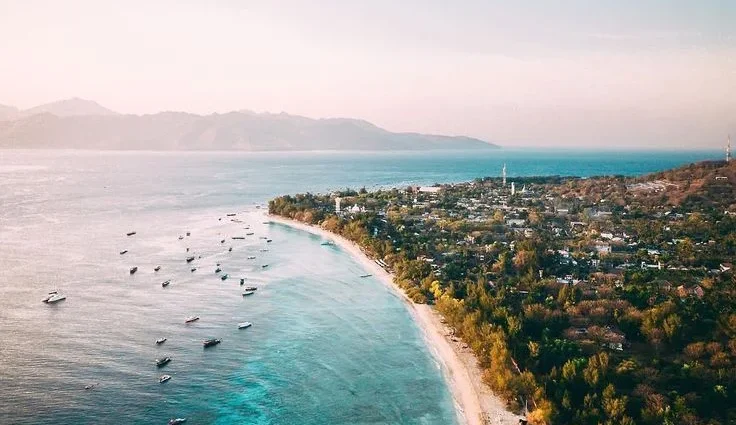
Lombok is often introduced through its beaches, but that’s only one layer of the island. What makes Lombok special is how much variety it packs into a relatively small space — coastline, surf towns, farming villages, rainforest hills, and volcanic landscapes, all within a few hours’ drive.
This guide is not about ticking boxes. It’s about experiencing Lombok properly, understanding its rhythm, and discovering why so many visitors feel drawn back after their first trip. These are the best things to do in Lombok if you want to experience the island beyond the obvious.
South Lombok: Beaches, Space, Calm, and Everyday Life
South Lombok has become the island’s most dynamic region, not because it’s busy, but because it offers space, balance, and a sense of calm that’s increasingly rare elsewhere. Many of the best things to do in Lombok aren’t activities at all, but ways of living — slower mornings, open landscapes, and everyday routines shaped by nature.
Kuta Lombok
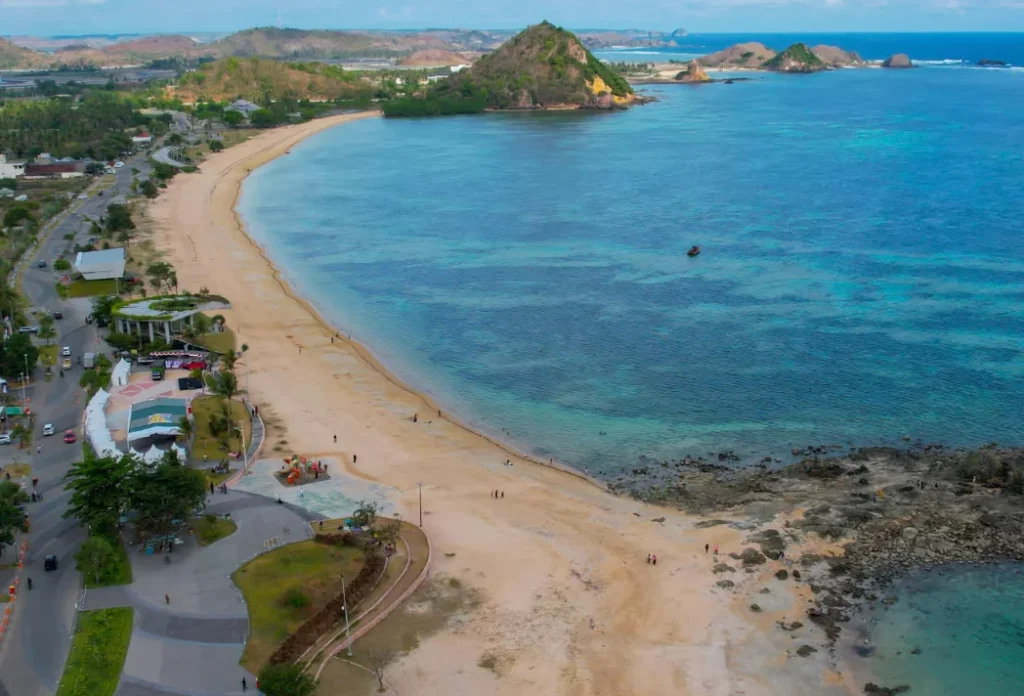
Kuta Lombok has evolved into a small but functional town. You’ll find cafés, gyms, yoga studios, restaurants, and places to work — without losing the laid-back feel that first drew people here. It’s a practical base for exploring nearby beaches and surf spots, and it’s where many long-stay visitors settle in first.
Selong Belanak
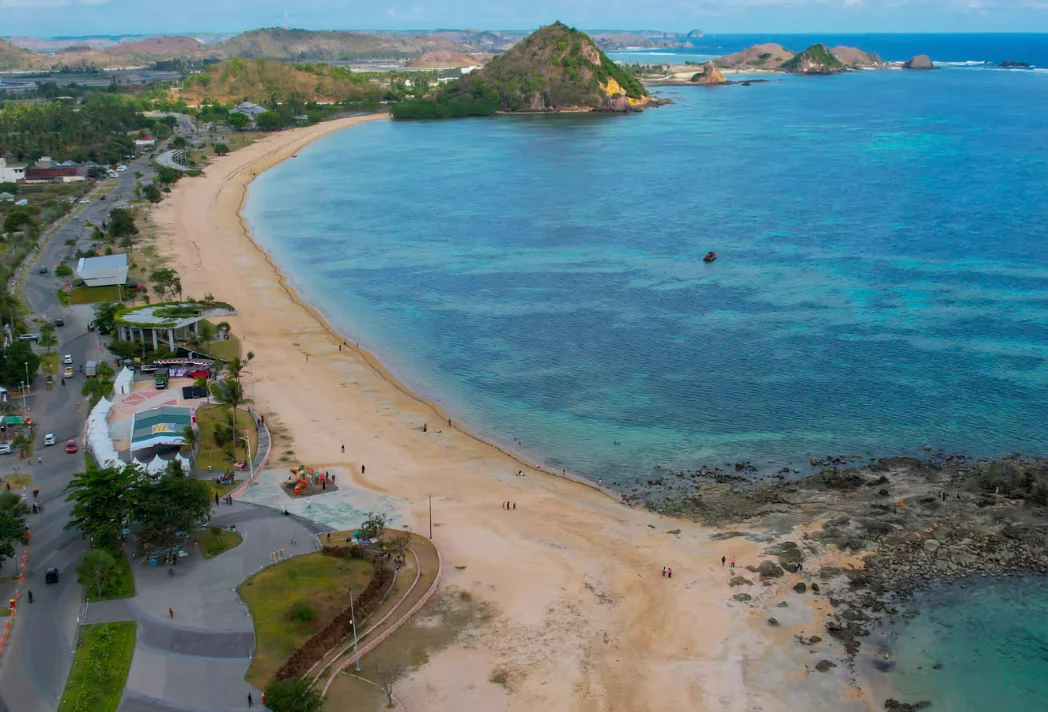
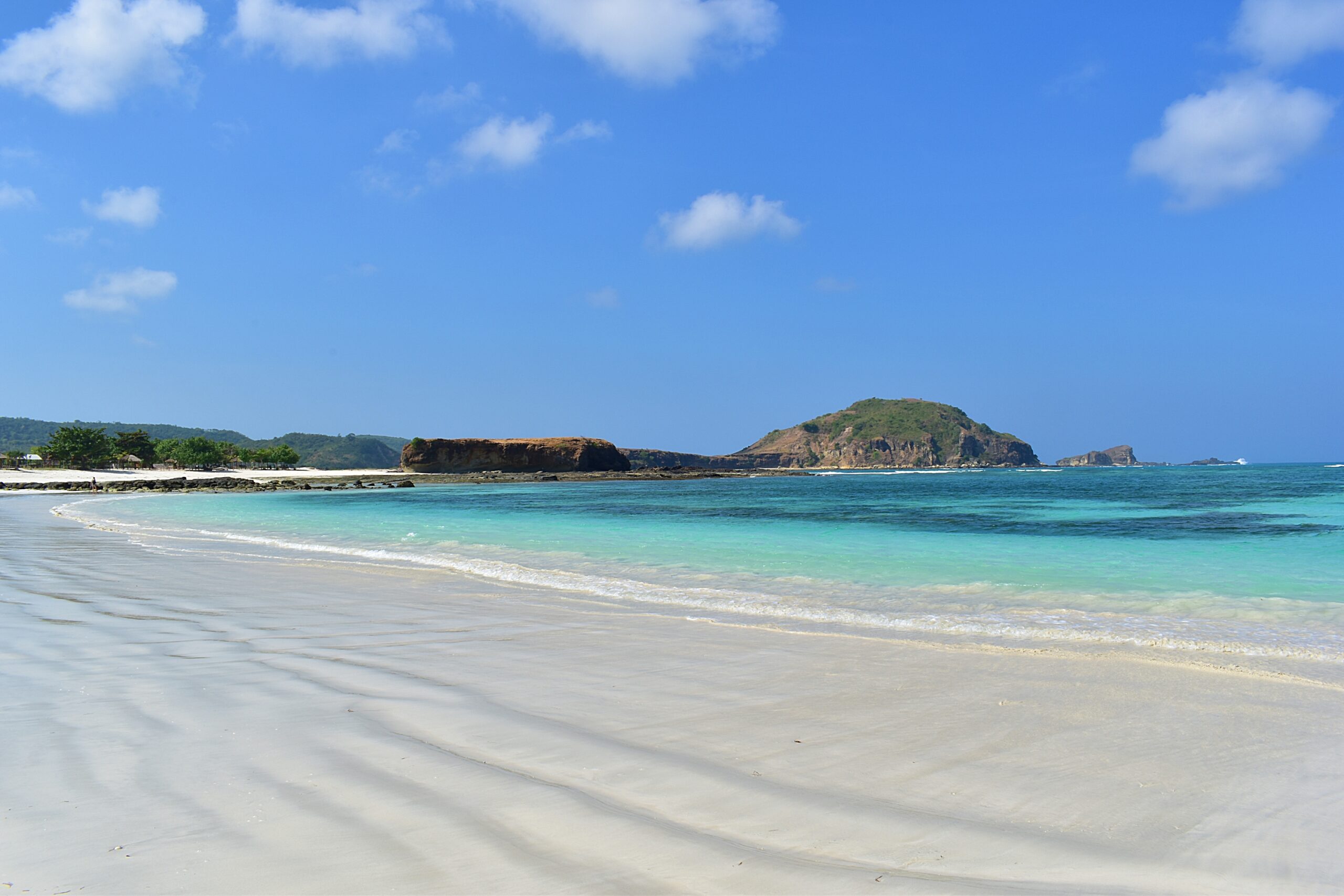
Selong Belanak feels different. The beach is wide and calm, with soft sand and gentle waves, making it ideal for swimming and beginner surfing. Life moves more slowly here. People come for the sunsets, the open views, and the feeling of space. It’s the kind of place where days stretch naturally without much planning.
Mawi, Tampah, and Beyond
Beaches like Mawi and Tampah show a rawer side of the south coast. These are not places for convenience — they’re places for scenery, surf, and quiet moments. Roads are improving, but the experience still feels close to nature.
The Gili Islands: Three Islands, Three Moods
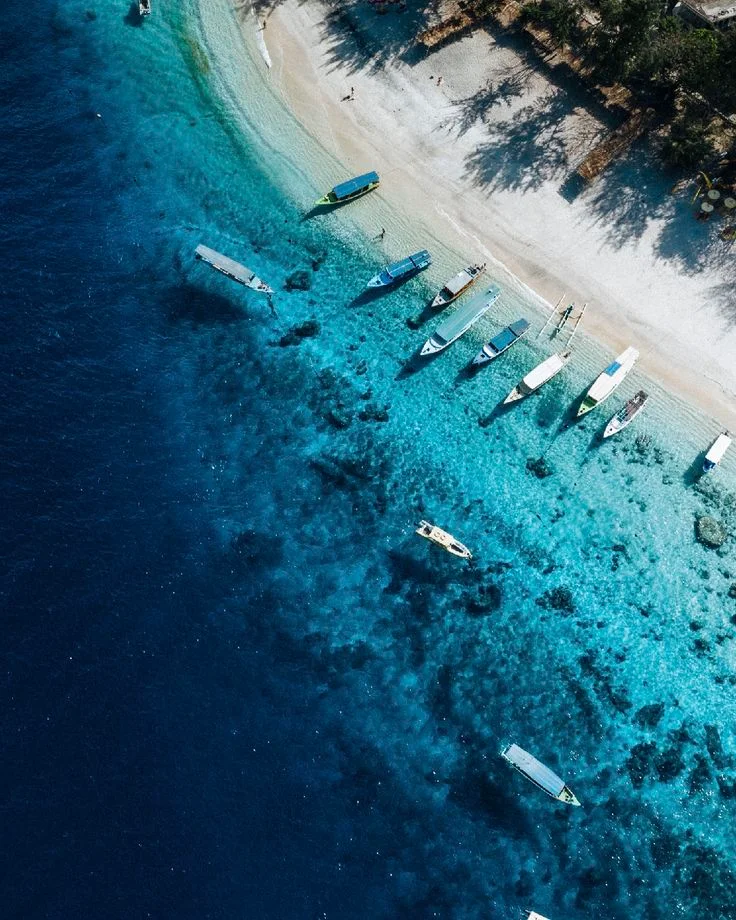
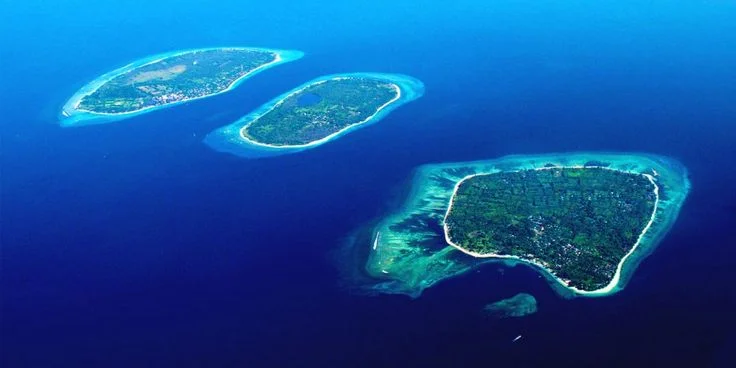
Off Lombok’s northwest coast, the Gili Islands offer an entirely different pace.
- Gili Air strikes a balance between comfort and calm. It’s social without being loud, and popular with long-stay travelers.
- Gili Meno is the quietest, known for its simplicity and slower rhythm.
- Gili Trawangan is more energetic, with nightlife, diving, and a busy social scene.
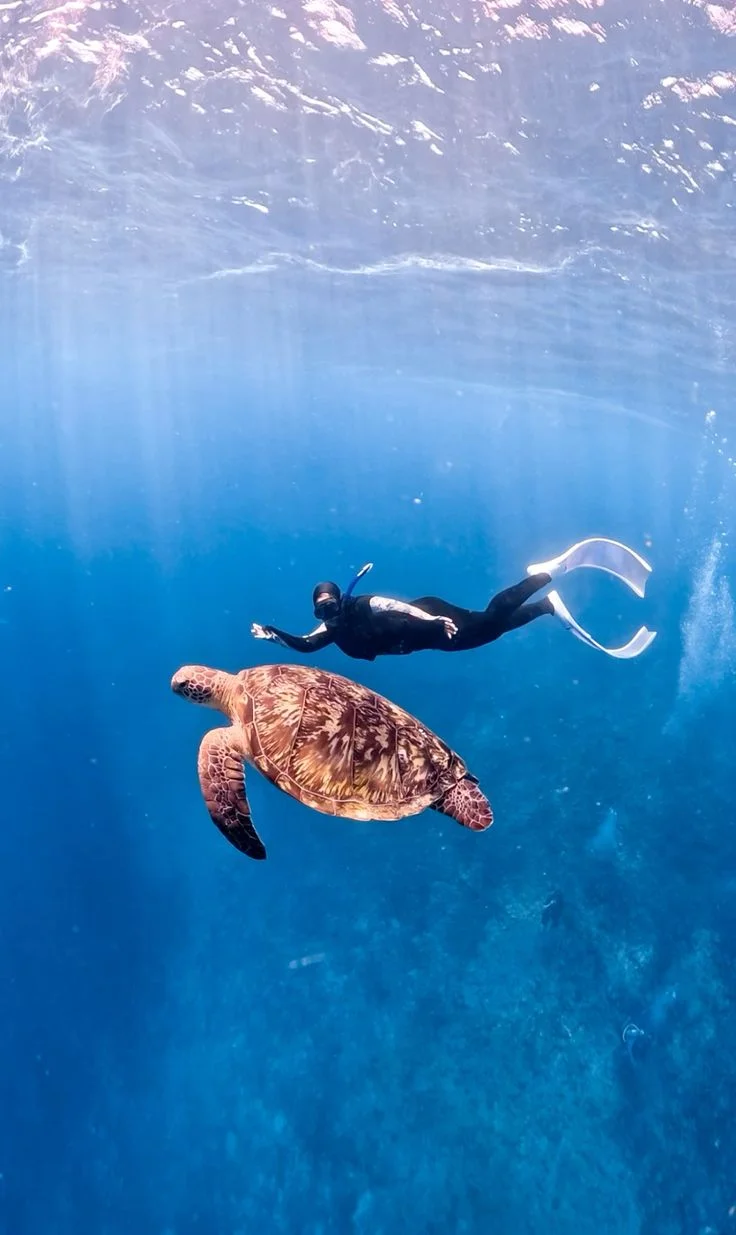
Snorkeling and diving around the Gilis remain some of the best in the region, and the absence of cars keeps life slow and walkable.
Mount Rinjani: The Island’s Backbone
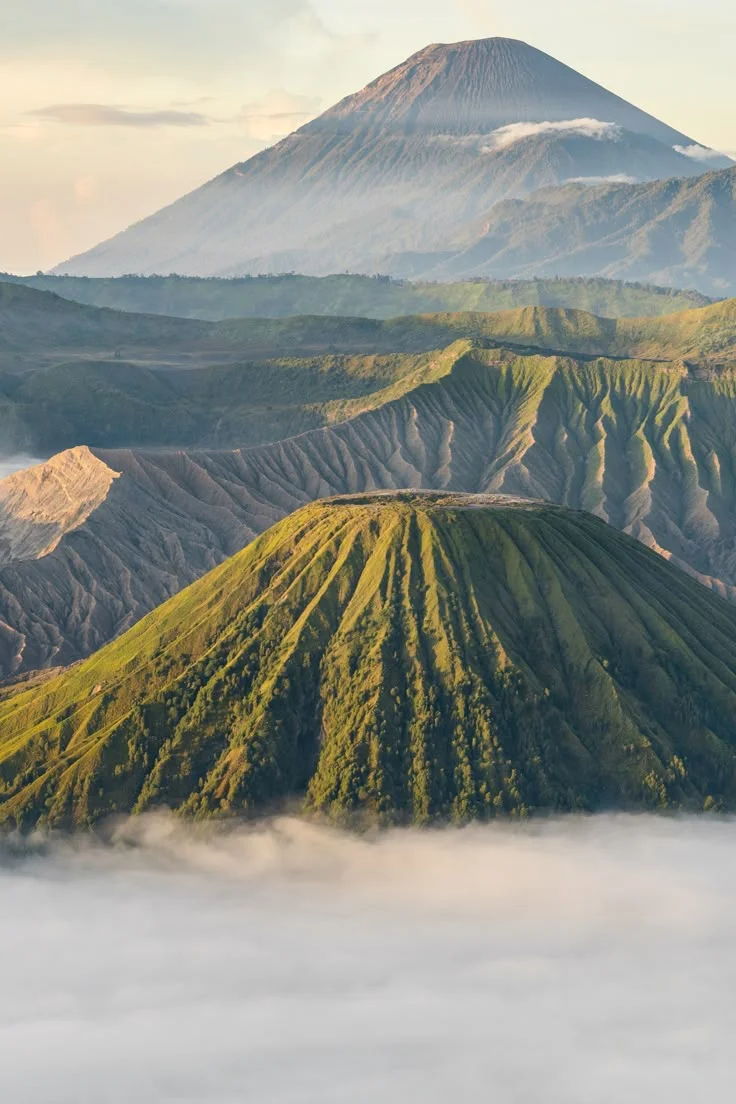
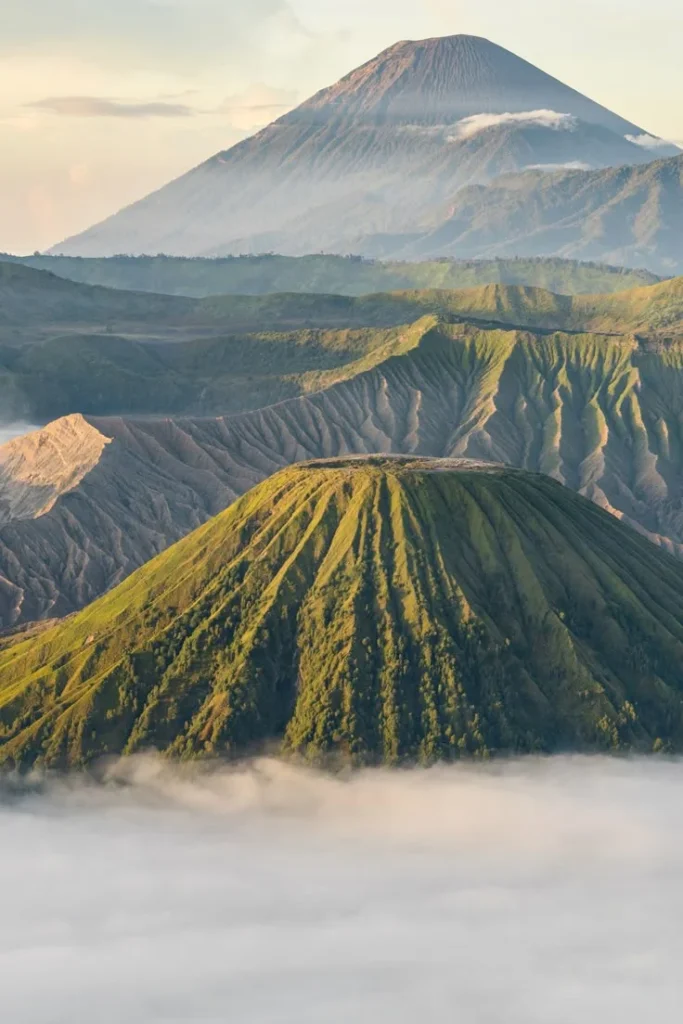
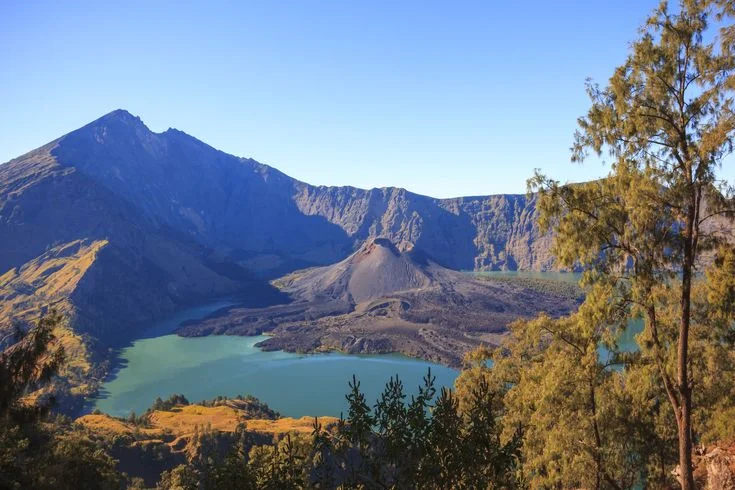
Mount Rinjani isn’t just a destination — it defines Lombok.
For hikers, multi-day treks lead to crater lakes, hot springs, and sweeping views. For everyone else, Rinjani shapes the island’s climate, agriculture, and culture. Seeing the volcano from a distance, especially at sunrise, gives context to everything around it.
Even without trekking, the regions surrounding Rinjani are worth exploring.
Sembalun: Cool Air and Open Landscapes
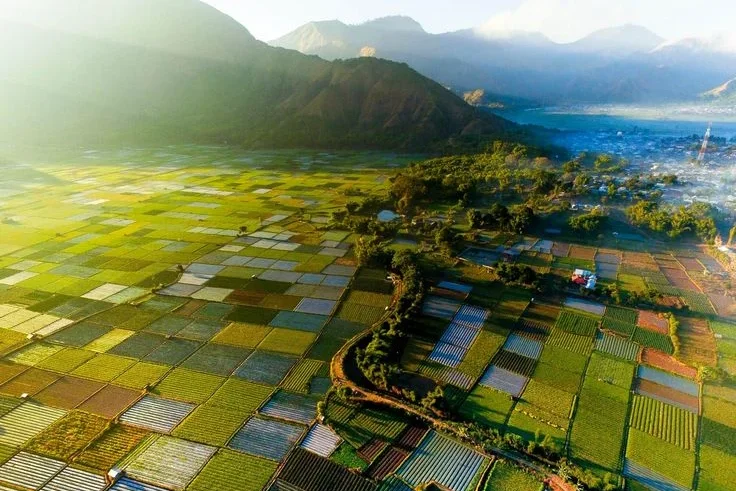
Sembalun sits high in the foothills of Mount Rinjani. The air is cooler, the roads are quieter, and the landscape opens up into farmland and rolling hills.
Life here feels grounded. People come to walk, breathe, and disconnect. It’s a good reminder that Lombok isn’t just coastal — it has a strong rural heart that still shapes daily life.
Tetebatu: Lombok’s Green Side
Tetebatu, in East Lombok, offers something entirely different again.
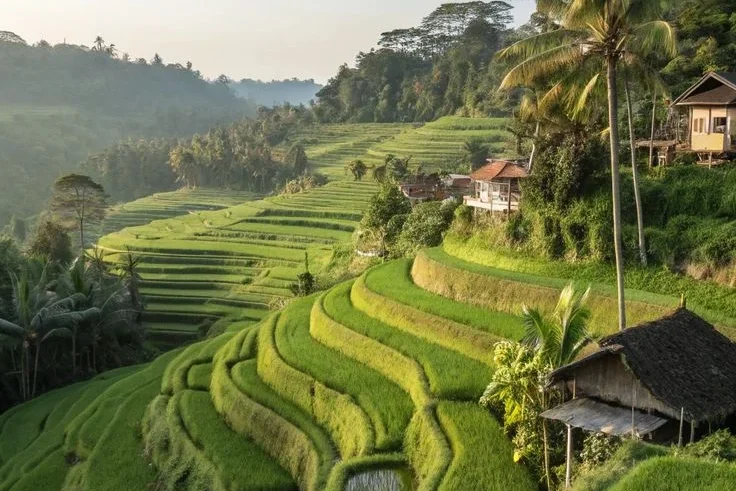
Here, you’ll find rice terraces, forest paths, waterfalls, and traditional villages. It’s ideal for travelers who enjoy nature without extreme hiking. Days are filled with walks through rice fields, visits to small warungs, and quiet evenings.
Tetebatu shows Lombok at its most peaceful and understated.
Surf Culture, Even If You Don’t Surf
Lombok is one of Indonesia’s most approachable surf destinations. Beginner-friendly beaches sit close to more advanced reef breaks, and crowds are still manageable.
Even if you never touch a board, surf culture shapes coastal life here. Early mornings, quiet afternoons, and sunsets framed by silhouettes in the water are part of the island’s daily rhythm.
Food, Community, and Small Social Hubs
Lombok’s food scene is growing slowly, but thoughtfully.
Rather than large restaurant clusters, you’ll find small, well-run places focused on quality and atmosphere. In South Lombok, especially, social dining has become part of the lifestyle.
Places like Klub Kembali in Selong Belanak host shared dinners and gatherings that bring together locals, long-term residents, and visitors. These spaces often matter more than landmarks — they’re where people connect.
Art, Culture, and Local Initiatives
Lombok’s cultural scene is becoming more visible.
The opening of Sempiak Seaside Gallery, the first international-level fine art gallery on South Lombok’s coast, reflects a growing interest in creative expression beyond tourism.
At the same time, local communities are actively involved in shaping their environment. In Selong Belanak, community-led beach cleanups, recycling initiatives, and waste management efforts show how growth and responsibility can coexist.
The Best Things to Do in Lombok: Slow Down
Perhaps the most meaningful experience Lombok offers is unplanned time.
Morning coffee without rushing. Afternoon swims. Long conversations. Early nights. Lombok doesn’t reward packed itineraries — it rewards presence.
Why Lombok Stays With People
What people remember most isn’t a single beach or hike. It’s the balance.
Lombok still feels open. Still feels calm. Still human. Still connected to everyday life. It’s evolving, but not in a way that feels overwhelming.
That’s why so many visitors return — and why many end up staying longer than planned.
Final Though
This curated guide reflects Lombok as it is today: diverse, grounded, and quietly changing.
Whether you come for the beaches, the mountains, the villages, or simply the space to breathe, the best things to do in Lombok often reveal themselves when you stop trying to do too much. Lombok offers something increasingly rare — a place where growth and calm still exist side by side.